
Autism and anxiety: why they often go together
Anxiety is common among autistic adults. Why it happens, how it can look different, and how to get support that's adapted for you.
Short, practical reads. We separate lived experience, practical suggestions and research, and link to our sources.
Anxiety is common among autistic adults. Why it happens, how it can look different, and how to get support that's adapted for you.
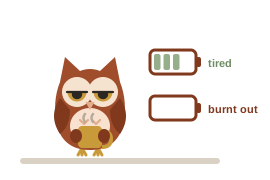
Everyone gets tired, but autistic burnout is different. Here's a simple way to tell them apart, and how burnout differs from depression.
Some tasks feel easier with someone else in the room or on a call. Here's what body doubling is, why it might help, and how to try it your way.

A practical, affordable checklist of sensory tools, plus simple ways to prepare for places and ask for adjustments.
Scratchy labels, tight waistbands and seams that won't sit right. Why clothes can feel unbearable, and practical ways to make getting dressed easier.
If small choices leave you drained, you're not imagining it. Here are simple ways to set defaults and pre-decide, so there's less to work out each day.
Realising you're autistic later in life can bring relief, grief and a lot of questions. Here's some gentle context, and where to find others who get it.
Spoon theory and energy accounting can help you see what drains you and what tops you up, so you can plan your day around the energy you have.
Simple ways to explain what you need to the people close to you, from leaving parties early to preferring texts, plus why misunderstandings go both ways.
How to ask your GP, what to say, and what usually happens in an adult autism assessment. UK general information, including Right to Choose in England.
When chores pile up and you can't make yourself start, it isn't laziness. Here are gentle, low-effort ways to keep your home liveable.
A low-demand day is a day where you deliberately ask less of yourself. Here's when you might need one, a sample plan, and ideas for doing less.
Missing hunger or thirst cues, or feelings that are hard to name? Here's what interoception is, why it can differ, and gentle ways to check in with your body.
Why job interviews can be so hard for autistic people, how to prepare structured answers, which adjustments you can ask for, and what to do on the day.
What research says about autistic friendship, where to find your people, and low-pressure ways to stay in touch that don't drain you.
Why phone calls can be so hard for autistic people, plus scripts, online alternatives and low-effort ways to get through the admin pile.
Many autistic people hide or adjust who they are to get through the day. Here's what masking looks like, why people do it, and what it can cost.
Why meetings and video calls can be so draining for autistic people, practical ideas like agendas and camera-off time, and how to ask for them.
Some common myths about autistic adults, from "everyone's a bit autistic" to vaccines, and what the evidence actually says.
What the Equality Act 2010 says about reasonable adjustments, whether you need a diagnosis, how to ask, and what to do if your employer says no.
There's no quick fix for autistic burnout. Here's what tends to help, why recovery takes time, and how to go easy on yourself along the way.
Routines can make life calmer, until a bad day knocks them over. Here's how to build routines with smaller versions for low-energy days.
Sensory overload can build fast and feel overwhelming. Here are early signs to look out for, things that may help right then, and how others can support you.
Why saying no can feel so hard for many autistic people, with simple scripts for time, sensory, social and communication boundaries, and handling pushback.
Telling your employer you're autistic is your choice. The pros and cons, when and how to do it, what to say, and your UK protections.
Many autistic adults find sleep hard. Here's what research and NHS advice say about why, including sensory and routine factors, plus gentle ideas to try.
Why small talk can feel pointless or draining for many autistic people, plus simple openers, exit lines and ways to steer towards topics you enjoy.
Deep, focused interests can bring joy, rest and connection. Why they matter, what to do when others dismiss them, and what happens when one fades.
Rocking, tapping, humming, fidgeting. Here's what stimming is, why so many people do it, why holding it in can backfire, and when it's worth getting support.
Why open-plan offices can be so draining for autistic people, practical ways to make them easier, and how to raise it with your manager.
Losing hours to one task, then rushing out the door, or waiting all day for a 3pm appointment. Here's why time can feel slippery, and ways to work with it.
Meltdowns and shutdowns aren't tantrums or choices. What they are, early signs to look for, and what can help during and afterwards.
Some autistic adults lose speech when stressed or overloaded. Here's why it can happen, and other ways to communicate when words won't come.
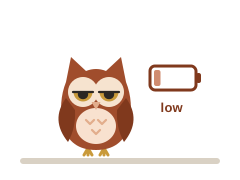
Burnout often builds slowly, behind a lot of effort. Here's why it can be hard to spot early, and some gentle ways to notice it sooner.
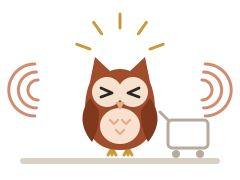
Supermarkets, offices and trains can drain you in ways that are hard to explain. Here's why small sensory inputs add up, and how to spot your own triggers.
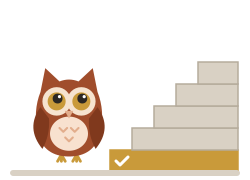
You want to do the thing, but you can't make yourself start. Here's why that happens, why it isn't laziness, and some gentle ways in.