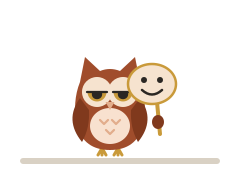
You get through a meeting, a family meal or a night out, and people say you seemed fine. But you get home completely drained, as if you've been performing all day. In a way, you have.
That performance is often called masking. This article looks at what it is, why so many autistic people do it, and what it can cost over time. It isn't here to tell you to stop. Masking can be a sensible way to stay safe.
What masking looks like
Masking means hiding or changing your natural behaviour so that you fit in with non-autistic people. Researchers often call it camouflaging. It can be deliberate, or so automatic that you barely notice you're doing it.
Imagine it's your first week in a new job. You've practised your "how was your weekend?" answers, you're watching how others sit and react, and you're sitting on your hands to keep them still. By Friday, you feel wiped out, even though nothing "hard" happened.
Why people mask
People rarely mask just because they want to. Usually there's a good reason.
So masking is often about safety, acceptance and making a living. Those are real needs. It makes sense that you might keep doing it, sometimes for years.
What it can cost
The trouble is that masking takes a lot of effort, and other people usually can't see it.
In Hull and colleagues' study, exhaustion was the most consistent consequence people described. Many people said they needed time alone afterwards to recover and "be themselves". Some also felt that masking made it harder to know who they really were (Hull et al., 2017).
Cage and Troxell-Whitman found that people who camouflaged a lot, across many parts of their lives, tended to report poorer mental health. This research shows a link rather than proving that masking causes poor mental health, but it's still worth knowing about (Cage & Troxell-Whitman, 2019).
The National Autistic Society lists masking among the reasons that autistic burnout may happen, and lists being able to unmask as one of the things that can help with recovery (National Autistic Society). There's more on this in our article on why autistic burnout can creep up unnoticed.
Unmasking, gently and safely
Unmasking isn't a switch, and it isn't all or nothing. In some places, masking may still be the safest option, and that's okay. The aim is to have more choice about when you mask, and to give yourself a break where you can.
The National Autistic Society suggests that practising unmasking in safe places with safe people can help some people build confidence. It also suggests that if you feel you have to mask, you take time for yourself afterwards (National Autistic Society).
If you're supporting someone
If someone you care about is autistic, they may be masking around you too, without either of you realising. You can help by making it safe not to. Don't comment on stimming, flat facial expressions or a lack of eye contact. Let them leave early or take breaks without needing to explain. And believe them if they say they're exhausted, even if they seemed fine.
References
- Hull, L., et al. (2017). "Putting on my best normal": Social camouflaging in adults with autism spectrum conditions. Journal of Autism and Developmental Disorders, 47, 2519–2534. doi.org/10.1007/s10803-017-3166-5
- Cage, E., & Troxell-Whitman, Z. (2019). Understanding the reasons, contexts and costs of camouflaging for autistic adults. Journal of Autism and Developmental Disorders, 49(5), 1899–1911. doi.org/10.1007/s10803-018-03878-x
- Raymaker, D. (2022). Understanding autistic burnout. National Autistic Society. autism.org.uk/advice-and-guidance/professional-practice/autistic-burnout
- National Autistic Society. Masking (Embrace Autism videos). autism.org.uk/what-we-do/scotland/embrace-autism/masking