
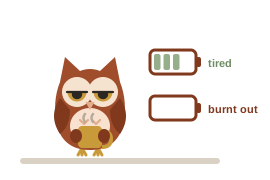
Autistic burnout or ordinary tiredness? How to tell the difference
Everyone gets tired, but autistic burnout is different. Here's a simple way to tell them apart, and how burnout differs from depression.
Topic
Many autistic people describe energy running out in ways that are hard to see coming. These resources help you notice patterns, plan around them and recover with less guilt.
Everyone gets tired, but autistic burnout is different. Here's a simple way to tell them apart, and how burnout differs from depression.
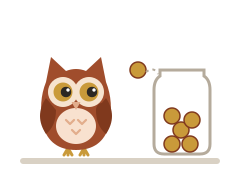
Spoon theory and energy accounting can help you see what drains you and what tops you up, so you can plan your day around the energy you have.
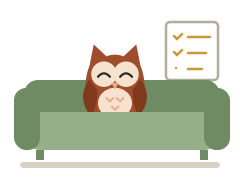
A low-demand day is a day where you deliberately ask less of yourself. Here's when you might need one, a sample plan, and ideas for doing less.

Log your energy in a few seconds a day and look back over your patterns. Entries stay on your device. Printable version included.
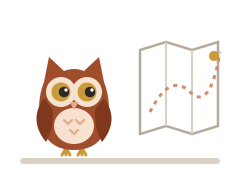
Write down your early-warning signs, what drains and restores you, and what you'll do when the signs appear.
Decide what full, reduced and minimum versions of your day look like, then pick the one you need today.
Map what helps and disturbs your sleep, then log two weeks of nights to spot patterns.