

Energy accounting: a simple way to budget your energy
Spoon theory and energy accounting can help you see what drains you and what tops you up, so you can plan your day around the energy you have.
Free interactive tool · no signup
Log your energy in a few seconds a day and look back over your patterns. Entries stay on your device. Printable version included.

Energy can drain slowly, and it's often easier to see a pattern looking back than in the moment. A quick daily note, even just a number, builds a picture you can look back on, share with someone you trust, or take to an appointment.
Read the guide: Energy accounting: a simple way to budget your energy
About 10 seconds. Only the energy level is needed — everything else is optional. Skip days whenever you like.
Your entries will appear here. Patterns become easier to see after a couple of weeks.
A designed PDF of your last 5 weeks: a day-by-day calendar, weekly averages, and tags that show up more on low or high days.
Log a few days first.
Adds a gentle daily reminder to your calendar. Skipping is always fine.
Entries are stored only in this browser on this device. We never see them. Clearing your browser data will remove them, so export a copy now and then if you want to keep a record.
Spoon theory and energy accounting can help you see what drains you and what tops you up, so you can plan your day around the energy you have.
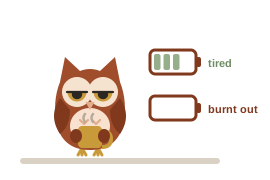
Everyone gets tired, but autistic burnout is different. Here's a simple way to tell them apart, and how burnout differs from depression.

A low-demand day is a day where you deliberately ask less of yourself. Here's when you might need one, a sample plan, and ideas for doing less.